
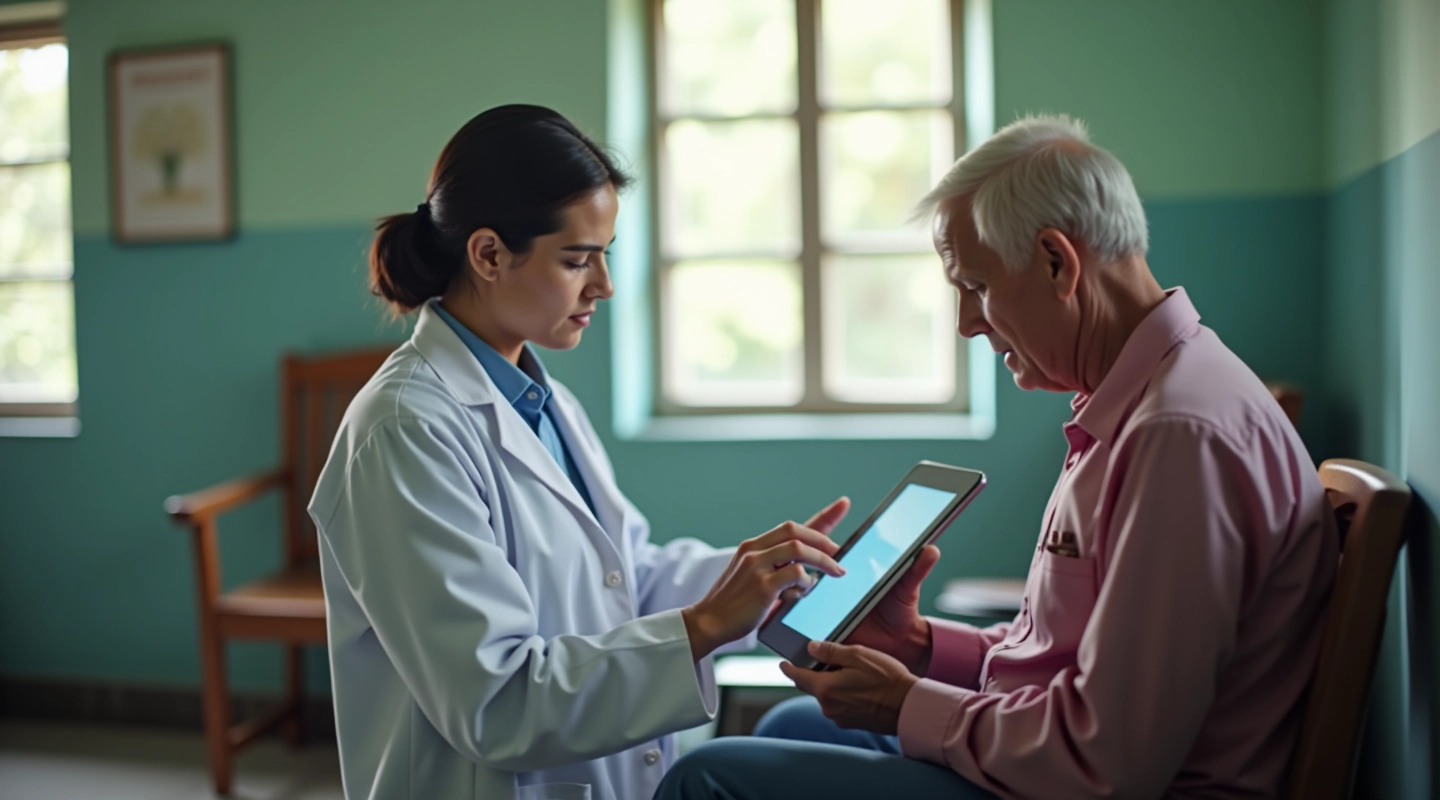
How Remote Diagnostics Work in Village Clinics
Breaking down the workflow: from initial screening to AI analysis to local treatment recommendations. Real-world process from clinic operations.
Read GuideBringing diagnostic accuracy to remote clinics across Gujarat. Real-time analysis. Local results. Better health outcomes.
Rural clinics face real challenges. Limited specialist access. Long travel distances. Equipment costs that strain budgets. We’re changing that with technology that actually works in village settings.
Our platform connects healthcare workers in remote areas with AI-powered screening tools. No need to wait weeks for expert consultation. No need to send patients to distant cities. Diagnose locally, act immediately, improve outcomes.
The system is built for the conditions you face — unreliable internet, basic equipment, and real people who need help today. It’s straightforward to use, requires minimal training, and gives your clinic the diagnostic capabilities of a major hospital.
See how it works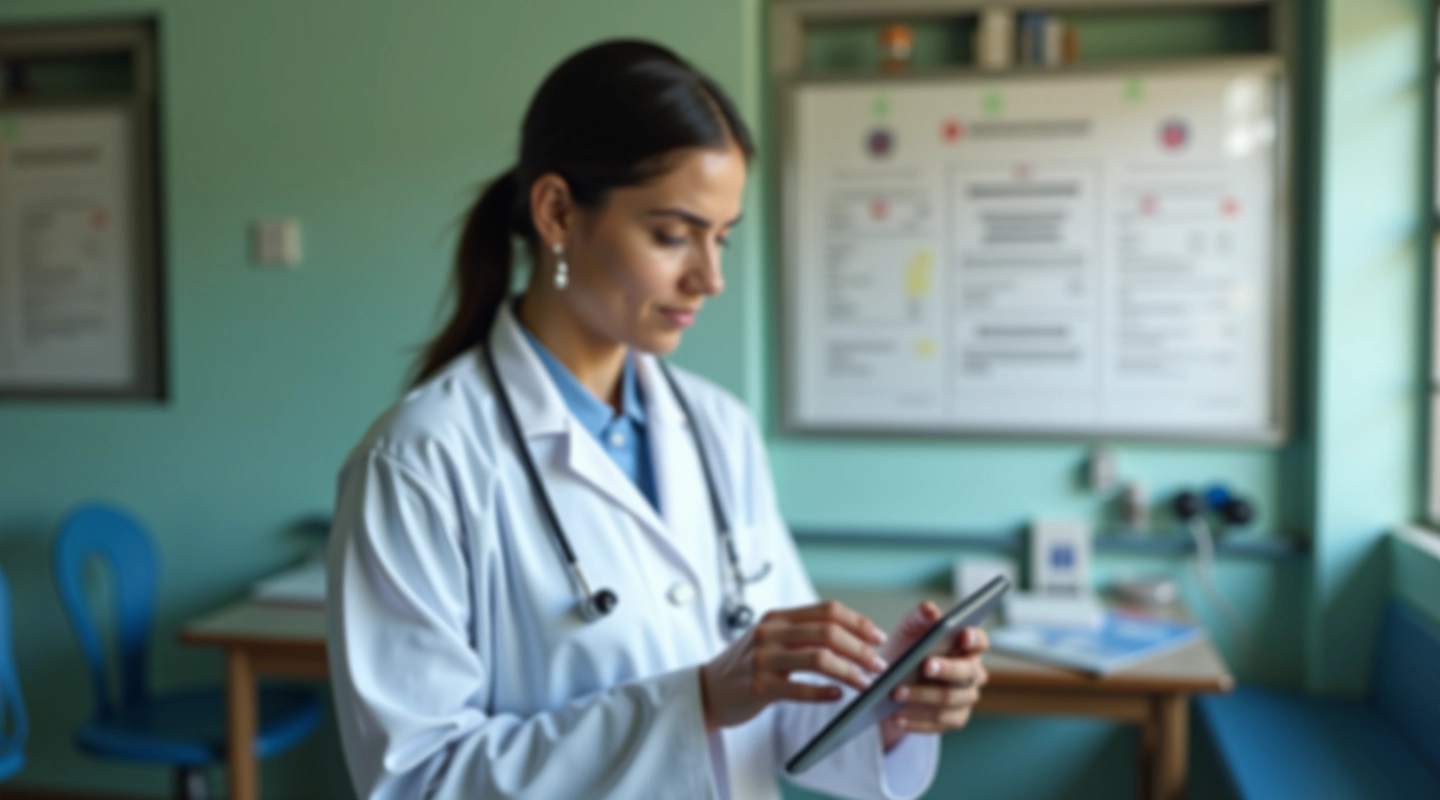
From manual uncertainty to confident diagnosis
We don’t just write about telemedicine — we research it. Our team works with actual rural clinics, health workers, and patients to understand what really works. Every guide, every resource, every piece of information comes from real experience in the field.
Content is reviewed regularly to stay current with new developments in diagnostic technology and healthcare access. We focus on practical details: what equipment you need, how to train staff, what to expect, and how to troubleshoot when things don’t go perfectly.
This isn’t theoretical. It’s built by people who understand rural healthcare challenges because they’ve worked in these environments. We’re committed to making this information clear, honest, and actually useful.
Comprehensive Guides Published
Total Pages of Resources
Since We Started
We care about real solutions for real clinics. Not theory. Not ideals. What actually works when you’ve got limited resources and real people waiting for care.
You’ll get the full picture — what works, what doesn’t, what’s hard, and what’s possible. We won’t oversell or hide the challenges. You deserve the truth.
Healthcare information shouldn’t be locked behind paywalls or written for specialists. Clear explanations. Practical guides. Knowledge you can actually use today.
Technology changes. Healthcare evolves. We keep our resources current so you’re always working with the latest information and best practices in telemedicine diagnostics.
Connect with us to learn how AI-powered screening can work in your setting. We’re here to answer questions and help you understand what’s possible.
Contact Us TodayStay informed about new resources, guides, and developments in telemedicine diagnostics for villages.
Get in TouchUnderstanding telemedicine diagnostics for rural settings
AI screening tools are designed to support clinical decision-making, not replace healthcare workers. They’re trained on large datasets to identify patterns and flag potential concerns. Reliability depends on data quality and proper system use. When implemented correctly, they provide consistent, objective analysis that helps clinicians make informed decisions faster.
Systems vary, but many are built for low-bandwidth environments. Initial screening data is often small and doesn’t require high-speed connections. Some platforms work offline and sync when connection is available. Before implementing, verify the specific technical requirements of your chosen system match your clinic’s infrastructure.
Most systems are designed to be learned in days, not weeks. Training typically covers basic operation, data entry, understanding results, and when to refer patients for further evaluation. Ongoing support helps workers build confidence. The best systems get simpler the more you use them.
Good systems flag unclear cases automatically. Your clinic protocol should include what to do next — refer for specialist evaluation, repeat screening, or monitor the patient. This is why trained healthcare workers remain essential. Technology supports their judgment, not replace it.
Costs vary widely. Some systems are software-only, reducing equipment expenses. Many organizations offer support or subsidies for rural clinics. Consider total cost including equipment, training, and maintenance. Compare against current costs of referring patients to distant facilities — often telemedicine saves money long-term.
Patient privacy must be protected through encryption, access controls, and compliance with healthcare regulations. Systems should meet international standards for health data. Before implementing any platform, verify their security practices and understand your clinic’s data protection obligations under local law.
Practical guides for rural telemedicine implementation
Breaking down the workflow: from initial screening to AI analysis to local treatment recommendations. Real-world process from clinic operations.
Read Guide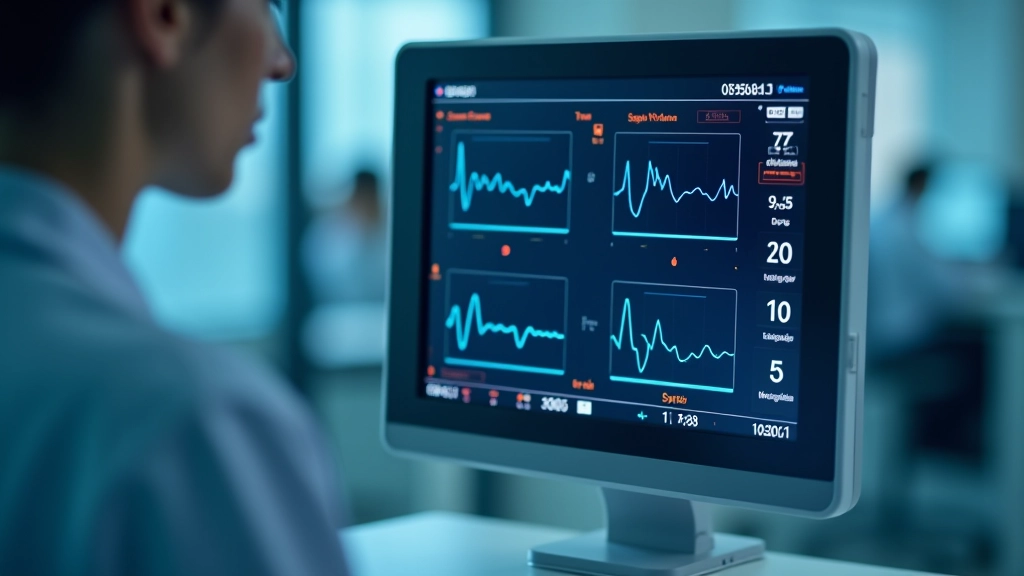
How machine learning algorithms analyze diagnostic data and why they’re reliable for initial health assessments in remote settings.
Read Guide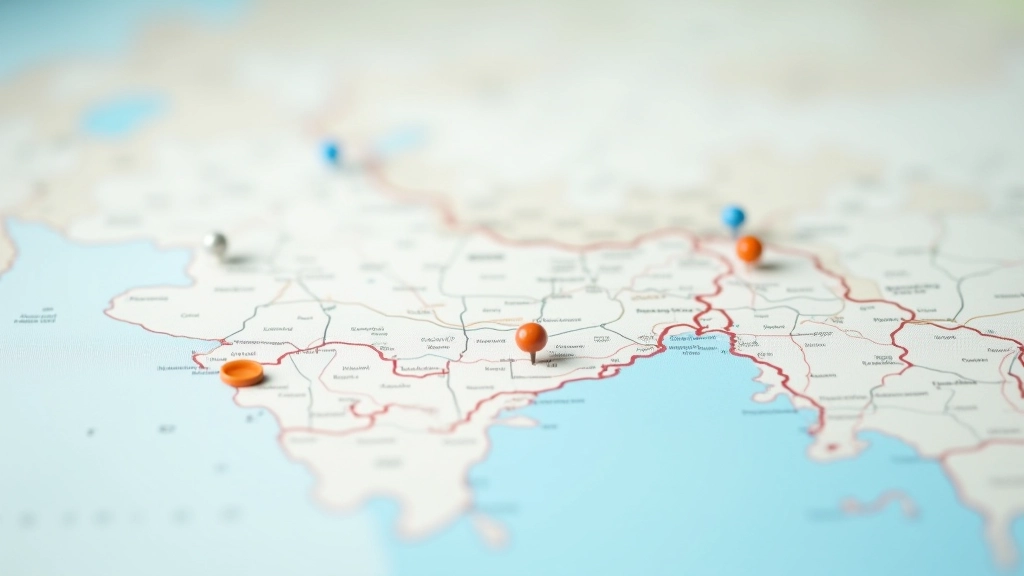
How telemedicine networks are connecting remote communities to diagnostic capabilities. Coverage, implementation, and impact on patient outcomes.
Read GuideOur primary focus is bringing diagnostic technology to villages where access matters most. We cover implementation, training, technology selection, and real-world challenges.
Setting up systems, training staff, troubleshooting problems
Working with limited resources, power, and connectivity
Building confidence and competence with new tools
We use cookies to improve your experience. By using this site, you agree to our use of cookies as outlined in our cookie policy.